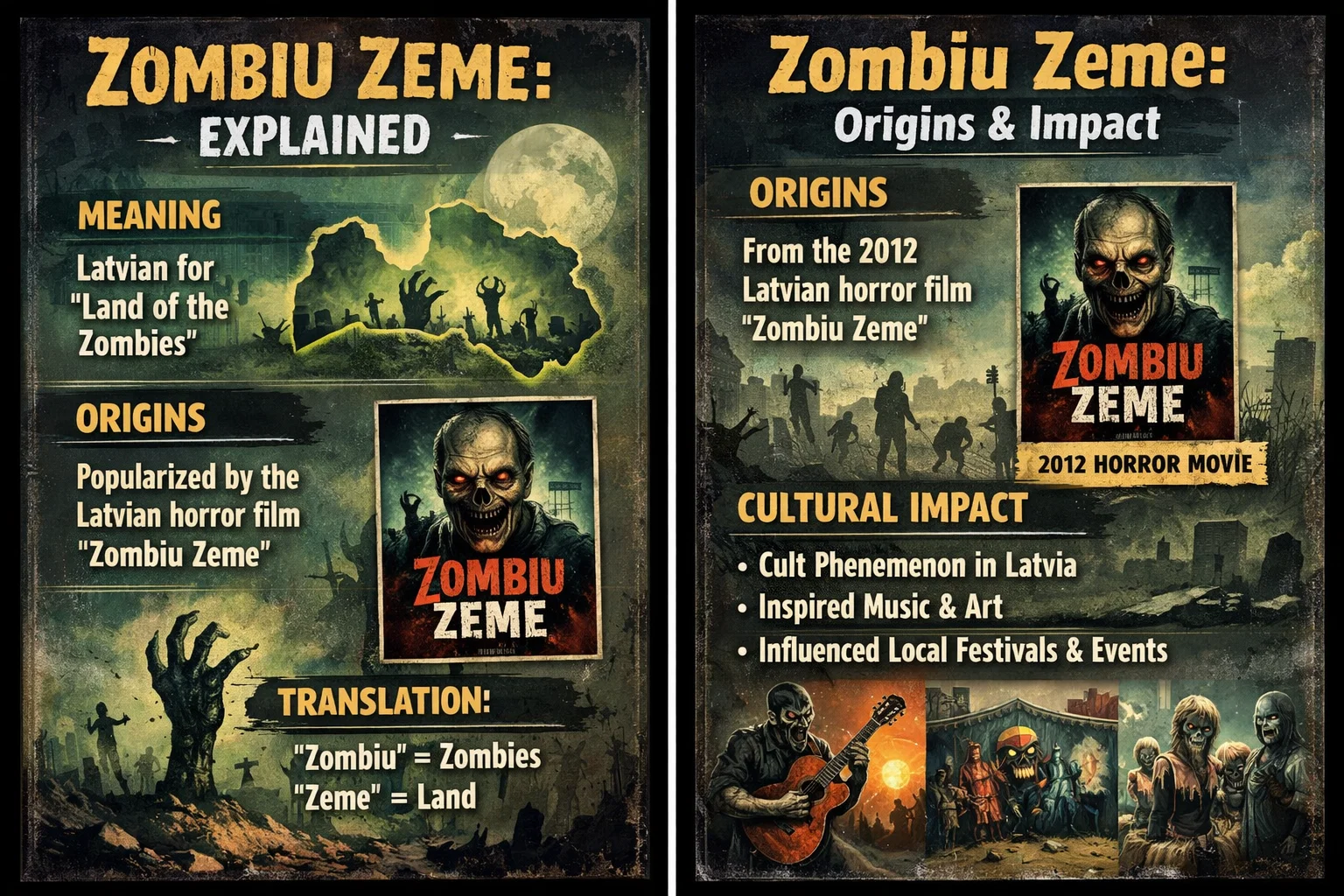
The phrase zombiu zeme has quietly grown from a niche reference into a layered concept that blends gaming culture, folklore, digital survival narratives, and modern internet mythology. What appears at first glance to be a simple expression carries far more depth once you explore its origins, interpretations, and evolving relevance.
This long-form guide is designed as an authoritative resource for anyone searching to truly understand zombiu zeme. From linguistic roots and cultural symbolism to its role in interactive entertainment and online communities, this article unpacks the concept with clarity, nuance, and real-world context.
Understanding the Meaning of Zombiu Zeme
At its core, zombiu zeme translates conceptually to “land of zombies,” a phrase that immediately evokes images of abandoned cities, survival instincts, and post-collapse societies. The power of the term lies in its simplicity, allowing it to adapt easily across storytelling formats, languages, and media.
In modern usage, zombiu zeme functions less as a literal place and more as a metaphorical environment. It represents a space where normal rules have collapsed, forcing individuals to adapt, survive, and redefine morality under pressure.
Linguistic and Cultural Origins
The linguistic structure of zombiu zeme reflects Eastern and Northern European language patterns, where compound phrases describe environments or states of being. This structure gives the phrase a grounded, almost folkloric tone rather than a purely cinematic one.
Culturally, the idea aligns with regional storytelling traditions that focus on desolation, endurance, and human resilience. Rather than glorifying monsters, zombiu zeme often centers on the psychological impact of isolation and loss.
Zombiu Zeme as a Survival Narrative
Survival is the narrative backbone of zombiu zeme, emphasizing scarcity, decision-making, and consequences. Unlike fast-paced action fantasies, this concept highlights vulnerability and long-term endurance.
In these narratives, survival is rarely heroic in the traditional sense. Characters endure by making uncomfortable choices, reinforcing the idea that zombiu zeme is as much about internal struggle as external threats.
Psychological Themes Embedded in the Concept
One reason zombiu zeme resonates so deeply is its psychological realism. Fear, paranoia, grief, and moral fatigue are central elements rather than background details.
The environment becomes a mirror for the human mind under stress. The “land” itself feels hostile not only because of danger, but because it strips away certainty and comfort.
Zombiu Zeme in Interactive Media
Interactive media has played a significant role in popularizing zombiu zeme–style environments. Games that emphasize immersion, consequence, and environmental storytelling bring the concept to life in a tangible way.
A notable example is ZombiU, which captured the essence of zombiu zeme by making death persistent and survival fragile. Players are not empowered superheroes, but ordinary individuals navigating a hostile world.
Environmental Storytelling and Atmosphere
Atmosphere is central to how zombiu zeme is experienced. Empty streets, distant sounds, and subtle environmental cues create tension without constant action.
This approach allows players or readers to feel like explorers rather than spectators. The silence of zombiu zeme often speaks louder than its dangers.
Community Interpretations and Online Usage
Online communities have adopted zombiu zeme as shorthand for more than zombie fiction. It is often used metaphorically to describe digital spaces that feel abandoned, hostile, or overrun.
In forums and social commentary, zombiu zeme can describe anything from declining online platforms to social environments stripped of empathy. This flexibility has helped the term endure beyond its original context.
Comparison of Zombiu Zeme Across Media
| Aspect | Gaming Interpretation | Folklore Influence | Online Metaphor |
| Core Theme | Survival under pressure | Endurance through hardship | Navigating hostile systems |
| Emotional Focus | Fear and tension | Loss and resilience | Alienation and burnout |
| Environment | Abandoned urban spaces | Desolate landscapes | Decaying digital spaces |
| Human Role | Vulnerable survivor | Moral test subject | Disengaged participant |
This comparison shows how zombiu zeme adapts while maintaining a consistent emotional core. The setting changes, but the psychological weight remains.
Zombiu Zeme and Moral Decision-Making
Moral ambiguity defines zombiu zeme narratives. Characters are rarely given clear right or wrong choices, only consequences.
This framework challenges audiences to consider what survival costs. In zombiu zeme, ethics are not abandoned, but continuously tested.
Influence of European Horror Traditions
Unlike Hollywood-style zombie stories, zombiu zeme draws heavily from European horror traditions that emphasize atmosphere over spectacle. The horror is often slow, quiet, and deeply personal.
This influence explains why the concept feels intimate rather than explosive. Fear creeps in gradually, mirroring real human anxiety.
The Role of Isolation and Silence
Silence is one of the most powerful tools within zombiu zeme. Long stretches without dialogue or action force reflection and heighten awareness.
Isolation transforms the environment into an active antagonist. The absence of help becomes just as threatening as any visible danger.
Zombiu Zeme as a Reflection of Modern Anxiety
Many analysts interpret zombiu zeme as a symbolic response to modern uncertainty. Economic instability, social fragmentation, and digital overload all echo within its themes.
The zombie becomes less important than the collapse of systems. Zombiu zeme resonates because it feels uncomfortably plausible.
Misconceptions About Zombiu Zeme
A common misconception is that zombiu zeme is purely about violence and horror. In reality, action is often secondary to atmosphere and psychological tension.
Another misunderstanding is that it glorifies despair. Instead, zombiu zeme often highlights quiet resilience and the human capacity to adapt.
Storytelling Techniques That Define the Concept
Minimal exposition is a hallmark of zombiu zeme storytelling. Audiences learn through observation rather than explanation.
This technique fosters immersion and trust. The world feels lived-in, not constructed for convenience.
Zombiu Zeme and Player Agency
In interactive formats, zombiu zeme places heavy emphasis on player agency. Choices feel permanent and mistakes are rarely reversible.
This design philosophy reinforces emotional investment. Survival feels earned rather than scripted.
The Emotional Weight of Permanent Consequences
Permanent loss is central to the zombiu zeme experience. Whether it is a fallen character or a missed opportunity, consequences linger.
This permanence creates tension without relying on constant threats. The fear of loss becomes a motivator in itself.
Zombiu Zeme in Narrative Design Education
Educators in game and narrative design often reference zombiu zeme–style environments as examples of effective immersion. They demonstrate how restraint can be more powerful than excess.
By focusing on mood and consequence, these narratives teach creators to respect audience intelligence and emotional capacity.
A Quote That Captures the Essence
As one survival-horror designer once noted, “True horror isn’t what jumps out at you—it’s what waits patiently while you decide what kind of person you’ll become.” This sentiment perfectly encapsulates the philosophy behind zombiu zeme.
The quote underscores that fear is internal, shaped by choice rather than spectacle.
Zombiu Zeme and Long-Term Engagement
Audiences tend to remember zombiu zeme experiences long after completion. The emotional imprint is subtle but lasting.
This longevity contributes to strong community discussion, theory crafting, and reinterpretation over time.
Cultural Longevity and Adaptability
The adaptability of zombiu zeme ensures its cultural longevity. It evolves alongside technology, language, and audience expectations.
Rather than fading, the concept deepens as new contexts emerge.
Conclusion: Why Zombiu Zeme Endures
Zombiu zeme endures because it respects the audience. It does not overwhelm with excess, but invites reflection through restraint.
By blending survival, psychology, and atmosphere, zombiu zeme remains a compelling framework for storytelling across mediums.
Frequently Asked Questions
What does zombiu zeme mean in simple terms?
Zombiu zeme generally refers to a “land of zombies,” but it is often used metaphorically to describe hostile, collapsed, or emotionally draining environments.
Is zombiu zeme only related to video games?
No, zombiu zeme extends beyond games into folklore-inspired storytelling, online culture, and metaphorical social commentary.
Why is zombiu zeme considered psychologically intense?
The concept focuses on isolation, moral choices, and long-term consequences, making the experience emotionally demanding rather than action-driven.
How is zombiu zeme different from typical zombie settings?
Unlike action-heavy zombie worlds, zombiu zeme emphasizes atmosphere, silence, and vulnerability over constant combat.
Why do people still search for zombiu zeme today?
People continue to search for zombiu zeme because it captures modern anxieties and offers a deeply immersive way to explore survival and resilience.
You may also read
