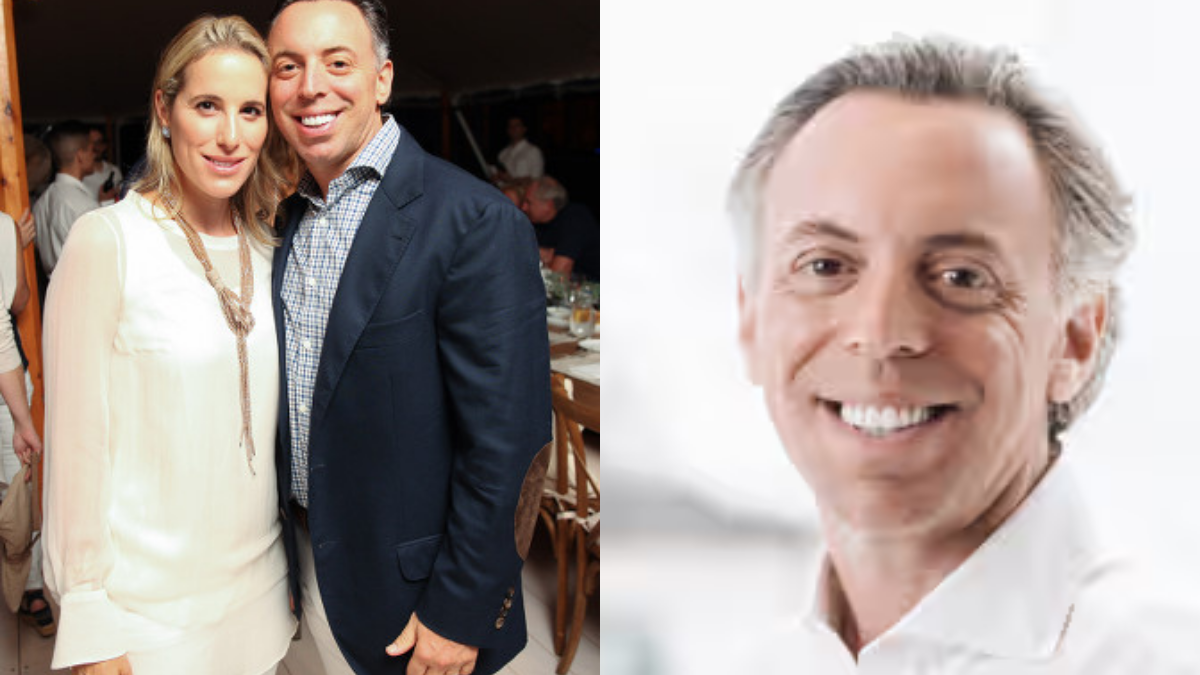
In an era defined by rapid change, shifting markets, and heightened expectations of leadership, certain figures stand out for their ability to combine strategic clarity with human-centered decision-making. David Fiszel represents this category of modern leadership, where analytical rigor meets adaptability and long-term thinking. His professional journey offers a lens into how influence is built not through noise, but through consistent execution and thoughtful vision.
This in-depth article is designed as a definitive, enterprise-level resource on david fiszel, structured to provide clarity, authority, and real-world relevance. Rather than surface-level biography, it explores the deeper patterns, principles, and implications of his work, positioning the narrative within broader industry and leadership contexts.
Understanding the Professional Context Behind David Fiszel
David Fiszel’s career trajectory reflects the realities of contemporary business environments, where leaders must balance operational demands with strategic foresight. His work sits at the intersection of execution and vision, showing how durable impact is rarely accidental. Instead, it emerges from an ongoing commitment to learning, adaptation, and disciplined decision-making.
What distinguishes this context is not a single role or title, but a pattern of engagement with complex challenges. Across different phases of his career, david fiszel has demonstrated an ability to operate effectively within evolving systems, reinforcing the idea that leadership today is less about static authority and more about dynamic relevance.
Early Foundations and the Formation of Strategic Thinking
Every influential professional story begins with formative experiences that shape how challenges are perceived and addressed. In the case of david fiszel, early exposure to problem-solving environments played a central role in building analytical instincts and resilience. These foundational moments helped establish a mindset oriented toward structure, accountability, and long-term outcomes.
Equally important was the development of intellectual curiosity during these early stages. Rather than viewing knowledge as fixed, he approached learning as iterative, a habit that would later inform strategic decisions. This early blend of discipline and curiosity became a recurring theme throughout his professional evolution.
Leadership Philosophy and Decision-Making Principles
At the core of david fiszel’s leadership approach is a commitment to clarity. Decisions are framed not as isolated actions, but as interconnected moves within a broader system. This philosophy emphasizes understanding second- and third-order effects, a critical skill in complex organizational environments.
Another defining principle is consistency. Rather than reactive leadership driven by short-term pressures, his approach favors steady alignment between values and actions. This consistency builds trust internally while reinforcing credibility externally, a balance that many organizations struggle to maintain.
Navigating Complexity in Modern Organizations
Modern organizations are ecosystems of competing priorities, accelerated timelines, and diverse stakeholder expectations. David Fiszel’s work illustrates how effective leaders navigate this complexity by simplifying without oversimplifying. He focuses on identifying core drivers of performance and aligning teams around them.
This approach reduces noise while preserving nuance. By acknowledging complexity but resisting paralysis, david fiszel demonstrates a practical model for leadership that values progress over perfection. Such navigation skills are increasingly essential as organizations scale and diversify.
Strategic Execution and Long-Term Orientation
Strategy without execution remains theoretical, while execution without strategy becomes directionless. David Fiszel’s professional narrative highlights the importance of integrating both. His work underscores that long-term orientation does not mean slow decision-making, but rather informed prioritization.
This balance allows for adaptability within a clear framework. Instead of chasing every emerging trend, david fiszel emphasizes evaluating opportunities through the lens of long-term value creation. This discipline supports sustainable growth and organizational coherence.
Influence Beyond Titles and Formal Authority
Influence in modern business often extends beyond organizational charts. David Fiszel’s impact illustrates how credibility, insight, and consistency can amplify influence regardless of formal position. This form of leadership resonates especially in cross-functional and matrixed environments.
By fostering trust and demonstrating competence, he exemplifies how informal influence can drive alignment and execution. Such influence is particularly valuable in knowledge-driven organizations where authority is distributed rather than centralized.
Industry Perspective and Market Awareness
A defining feature of david fiszel’s professional approach is his attentiveness to broader industry dynamics. Rather than operating in isolation, he contextualizes decisions within market trends, competitive pressures, and evolving customer expectations. This awareness informs both strategic planning and operational adjustments.
Market awareness also enables anticipation rather than reaction. By monitoring signals and patterns, david fiszel positions initiatives proactively, reducing risk while increasing relevance. This perspective reflects a mature understanding of how external forces shape internal outcomes.
Building and Leading High-Performance Teams
High-performance teams rarely emerge by accident. David Fiszel’s leadership emphasizes intentional team construction, clear expectations, and continuous feedback. These elements create environments where individuals understand both their roles and their impact.
Equally important is psychological safety. By encouraging open dialogue and constructive disagreement, he fosters resilience and innovation. This balance between accountability and support strengthens teams over time and enhances collective performance.
Ethical Orientation and Professional Integrity
In an age of heightened scrutiny, ethical orientation is no longer optional. David Fiszel’s professional conduct reflects an understanding that integrity underpins sustainable success. Decisions are evaluated not only for effectiveness, but also for alignment with ethical standards.
This orientation builds long-term trust with stakeholders. By prioritizing transparency and responsibility, david fiszel demonstrates how ethical leadership contributes to organizational stability and reputational strength.
Adaptability in Changing Business Landscapes
Change is a constant in modern business, yet adaptability varies widely among leaders. David Fiszel’s career illustrates adaptability grounded in principles rather than improvisation. He approaches change as an opportunity to refine strategy rather than abandon it.
This disciplined adaptability enables organizations to evolve without losing identity. By anchoring change initiatives in core values, david fiszel ensures continuity even amid transformation.
Measuring Impact and Defining Success
Success can be defined narrowly through metrics or broadly through sustained impact. David Fiszel’s perspective integrates both. Quantitative measures provide accountability, while qualitative outcomes reflect cultural and strategic health.
This dual lens prevents overreliance on short-term indicators. By evaluating success holistically, david fiszel reinforces the importance of balance in performance assessment.
Comparative Insights and Strategic Patterns
The following table illustrates key strategic patterns associated with david fiszel’s leadership approach, offering a structured comparison of priorities and outcomes.
| Strategic Dimension | Core Focus | Practical Outcome |
| Decision-Making | Clarity and consistency | Reduced operational friction |
| Team Leadership | Accountability with trust | Sustained high performance |
| Market Awareness | Long-term trend analysis | Proactive positioning |
| Ethical Orientation | Transparency and integrity | Stakeholder confidence |
These patterns highlight a coherent framework rather than isolated tactics, reinforcing the systemic nature of his influence.
Perspective on Common Leadership Misconceptions
One common misconception in leadership is that decisiveness requires certainty. David Fiszel’s approach challenges this assumption by demonstrating that effective decisions often emerge from informed judgment rather than complete information. This perspective encourages momentum without recklessness.
Another misconception is that strong leadership suppresses dissent. In contrast, david fiszel values constructive challenge as a source of insight. This openness strengthens decisions and fosters engagement.
A Quote That Captures the Leadership Ethos
A well-known insight often attributed to modern leadership thinking resonates strongly with david fiszel’s approach:
“Clarity is the most underrated currency in leadership.”
This idea encapsulates the emphasis on communication, alignment, and purpose that defines his professional philosophy.
Long-Term Relevance and Enduring Lessons
The enduring relevance of david fiszel’s work lies in its adaptability. While tools and technologies evolve, the underlying principles of clarity, integrity, and strategic discipline remain constant. These lessons transcend specific industries and roles.
For emerging leaders, this relevance offers guidance on building influence sustainably. Rather than chasing visibility, the focus remains on substance and consistency.
The Broader Implications for Modern Leadership
David Fiszel’s professional narrative contributes to a broader conversation about what leadership means in contemporary contexts. It suggests a shift away from hero-centric models toward systems-oriented thinking. This shift aligns with the realities of interconnected organizations.
By emphasizing collaboration, foresight, and ethical grounding, david fiszel’s example informs how leadership can evolve responsibly.
Conclusion: Why David Fiszel Matters Today
David Fiszel represents a model of leadership grounded in clarity, adaptability, and integrity. His career offers more than a biography; it provides a framework for understanding how influence is built and sustained in complex environments. In a world where noise often overshadows substance, his approach underscores the value of thoughtful, disciplined leadership.
For organizations and individuals alike, the lessons embedded in david fiszel’s professional journey remain highly relevant. They point toward a future where leadership effectiveness is measured not only by results, but by resilience and trust.
Frequently Asked Questions
Who is david fiszel and why is he notable?
David fiszel is recognized for his strategic leadership approach, emphasizing clarity, consistency, and long-term value creation across complex organizational environments.
What leadership qualities define david fiszel?
The leadership style of david fiszel centers on informed decision-making, ethical integrity, and the ability to navigate complexity while maintaining strategic focus.
How does david fiszel approach strategic execution?
David fiszel integrates long-term vision with practical execution, ensuring that strategies translate into measurable and sustainable outcomes.
What can emerging leaders learn from david fiszel?
Emerging professionals can learn the importance of adaptability grounded in principles, as demonstrated throughout david fiszel’s career.
Why is david fiszel relevant in today’s business landscape?
David fiszel remains relevant because his leadership principles address modern challenges such as rapid change, stakeholder trust, and organizational alignment.
You may also read
